

CALL 6334 4766
- …

CALL 6334 4766
- …
Headaches, Dizziness & Concussion
Here's how we can bring balance back to your life
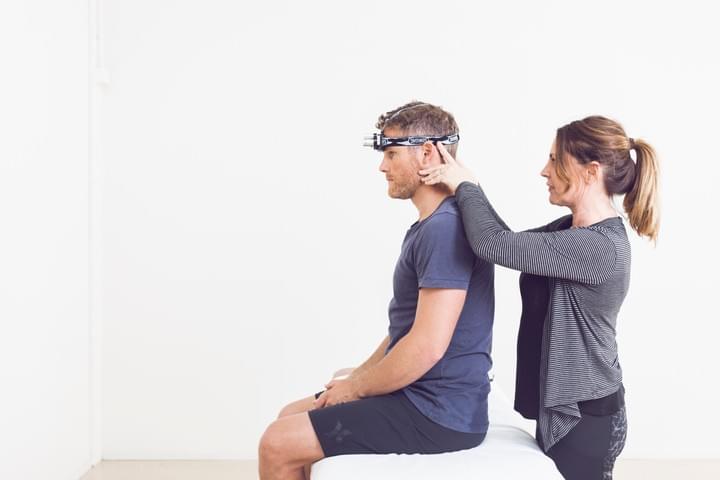
These conditions can be unsettling — we're here to make sense of them and help you feel steady again.
Whether it's a headache that won't quit, dizziness you can't explain, or a concussion that's taking longer to settle than it should, this is genuinely one of our areas of expertise — including specific training in neck, vestibular (inner ear balance), and concussion-related assessment.
What We Treat
Headaches
- Migraine (with or without aura)
- Tension-type headaches
- Cluster headaches
- Cervicogenic (neck-related) headaches
- Menstrual & silent migraine
Dizziness & Balance
- Benign Paroxysmal Positional Vertigo (BPPV)
- Vestibular neuritis & labyrinthitis
- Vestibular migraine
- Cervicogenic dizziness (neck-related)
- Balance issues linked to stroke, Parkinson's or MS
- Meniere's Disease symptom management
Concussion
- Acute concussion assessment & screening
- Post-concussion symptom management
- Return to sport, school & work programs
- Neck & vestibular-related concussion recovery
Learn More
Headaches
Most headaches — including migraine, tension-type, and cluster headaches — are strongly linked to dysfunction in the upper neck. Treatment of the upper neck can help manage symptoms of many primary headache types, including migraine, tension-type and cervicogenic headaches, in people whose symptoms don't have another underlying cause.
If physiotherapy or manual therapy hasn't worked for your headaches in the past, a more specific, neck-directed approach can still make a real difference — even if previous treatment didn't help.
Book with our Watson Headache® Certified Physio Linda King
Dizziness, Vertigo & Balance Problems
Around 15% of people experience dizziness at some point, and for many, it significantly affects daily life and confidence. The good news: most causes are treatable with physiotherapy.
We work closely with Launceston's Ear, Nose & Throat specialists to help guide appropriate treatment.
Vestibular rehabilitation uses specific, targeted exercises to retrain the balance system in your inner ear. Some people notice quick improvement; others need to work at it for longer — but consistent, guided exercise reliably helps.
Your first session (60 minutes) is focused on clearly identifying what's driving your dizziness or balance issue, so we can build a personalised plan, including a home exercise program. Follow-up sessions (30 minutes) vary in number depending on your specific condition and how you respond to treatment.
Concussion Management & Return to Sport
In-Balance is proud to be Tasmania's first clinic registered with Complete Concussion Management (CCMI) — joining a global network of clinics delivering evidence-based concussion care, from acute assessment (including screening for more serious injury) through to safe return to everyday life, school, work, and sport.
What is a concussion?
A concussion is a brain injury caused by a significant impact to the head, or a forceful jolt elsewhere on the body that causes rapid acceleration or deceleration of the brain. This triggers a temporary biochemical imbalance in the brain, reducing blood flow and energy availability. Symptoms can include loss of consciousness, headache, head pressure, neck pain, nausea, vomiting, dizziness, or balance problems.
How Complete Concussion Management works
CCMI brings together trained healthcare practitioners, coaches, trainers, parents, and athletes to recognise concussions early and guide a safe, structured return to sport.
What can a physiotherapist do for concussion?
Recovery is helped by clear guidance on the right amount of physical and mental activity — something we assess and tailor for you. Persistent symptoms are often linked to ongoing changes in brain physiology, neck problems, or vestibular issues, and addressing these directly improves outcomes significantly.
A small clinical trial in young athletes with persistent post-concussion symptoms found that those who received combined neck and vestibular rehabilitation were more likely to be medically cleared to return to sport within 8 weeks than those who didn't (Schneider et al., Br J Sports Med, 2014). Individual results vary
Patients can also track recovery using the free Concussion Tracker app — view baseline results, find CCMI-registered clinics, get recovery tips, and receive prescribed rehab exercises. Coaches, trainers, and teachers can use it to report a suspected concussion and track recovery, keeping schools, sports teams, parents, and healthcare providers connected.
© 2009 IN-BALANCE
Level 1, 233B CHARLES STREET LAUNCESTON TASMANIA 7250
TELEPHONE (03) 6334 4766.